Introduction
In the realm of healthcare, guaranteeing that clients get ideal care is critical. One vital element of this care is the monitoring of dysphagia-- a problem identified by problem ingesting. Dysphagia can impact people throughout various age groups Go to this website and health and wellness conditions, making it imperative for care personnel to be well-appointed with the required abilities and understanding to sustain those impacted. This brings us to the importance of dysphagia training for carers In this short article, we will certainly delve into why this training is vital, explore its benefits, and highlight exactly how it empowers caretakers to offer better support for their patients.
Understanding Dysphagia: A Critical Health And Wellness Concern
What Is Dysphagia?
Dysphagia refers to a variety of swallowing troubles that can arise from numerous medical conditions, consisting of neurological disorders, cancer treatments, and muscular illness. Individuals dealing with dysphagia usually experience pain or discomfort while ingesting, which can bring about serious problems such as desire pneumonia, dehydration, and malnutrition.
Signs and Symptoms of Dysphagia
Recognizing dysphagia early is important in protecting against negative outcomes. Some signs include:
- Coughing or choking during meals Difficulty chewing food Sensation of food being embeded the throat Frequent heartburn or regurgitation Unexplained weight loss
The Frequency of Dysphagia in Various Populations
Dysphagia is not constrained to a specific market; it can influence anybody from babies to the elderly. For example:
- In older grownups, dysphagia may arise from age-related changes or underlying health issues. Stroke survivors often face substantial difficulties with swallowing. Patients undergoing cancer cells treatments might establish dysphagia as a result of radiation or chemotherapy.
Empowering Care: The Relevance of Dysphagia Training for Carers
Why Is Dysphagia Training Crucial for Treatment Staff?
Understanding the complexities bordering dysphagia is crucial for caregivers. Below's why:
Enhances Client Safety
Correct training furnishes treatment team with the abilities required to take care of meals safely, lowering the risk of choking and aspiration.
Improves Top quality of Life
With proper treatments, clients can appreciate meals again-- boosting their spirits and overall quality of life.
Supports Nutritional Needs
Trained carers can much better deal with nutritional adjustments required for individuals with dysphagia, making certain adequate nutrition.
Promotes Efficient Communication
Awareness concerning dysphagia permits caregivers to communicate successfully with individuals concerning their dietary restrictions and preferences.
Encourages Team Collaboration
A knowledgeable team fosters better sychronisation amongst medical care specialists involved in dysphagia management.
Types of Dysphagia Training Available
Dysphagia Training Training courses for Carers
Various courses are offered that provide especially to care team collaborating with individuals who have ingesting problems:
1. Online Dysphagia Training Programs
These training courses supply adaptability and comfort by allowing carers to discover at their very own speed from anywhere.
2. Face-to-Face Workshops
In-person workshops provide hands-on experience and functional presentations on safe feeding techniques.
3. Advanced Training courses for Nurses
Specialized training made for registered nurses covers sophisticated techniques in assessing and taking care of complex situations of dysphagia.
Key Elements Covered in Dysphagia Training Courses
Training programs commonly include numerous critical locations:
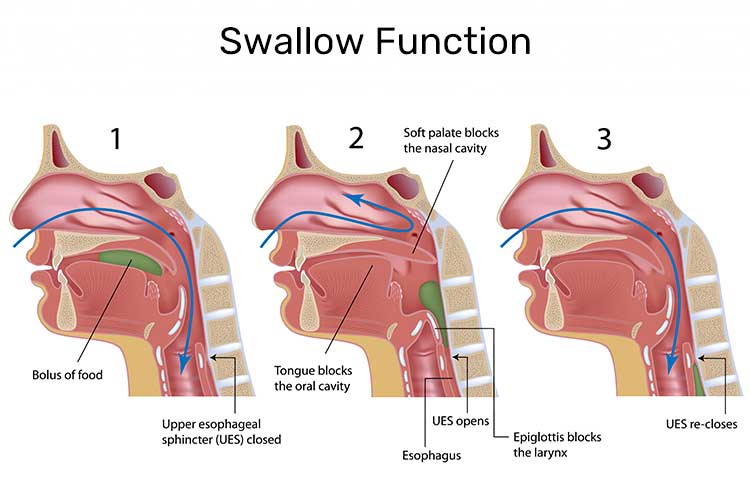
- Anatomy and physiology related to swallowing Identification of different kinds of dysphagia Safe feeding strategies Emergency feedback protocols
The Benefits of Comprehensive Dysphagia Care Training
Enhanced Data base Among Carers
A versatile education and learning allows carers to understand different elements connected to dysphagia comprehensively.
Reduction in Negative Events Associated with Ingesting Difficulties
With qualified team on board, centers report fewer occurrences including choking or aspiration-related complications.

Increased Self-confidence Among Caregivers
Knowing how to deal with circumstances involving dysphagic clients boosts caretakers' confidence significantly.
How Do Carers Implement What They Learn?
Practical Application in Daily Routine
Carers that undergo dysphagia training integrate their new skills right into daily person interactions by:
Conducting complete assessments prior to mealtimes. Applying learned strategies during feeding sessions. Monitoring patients closely post-meal for any kind of indicators of distress or complications.Collaborating with Speech Specialists and Dietitians
Effective dysphagia monitoring includes collaboration with other doctor like speech specialists that focus on ingesting conditions and dietitians that develop suitable dish strategies catering particularly to each person's needs.
Challenges Encountered Without Correct Dysphagia Training
Increased Threat Variables Connected with Poor Care Practices
Poorly educated caregivers might accidentally increase risks connected with feeding people struggling with dysphasia:

FAQs Regarding Dysphagia Training for Carers
1. What does a common dysphagia training course cover?
A conventional course usually covers composition related to ingesting, identification of various types/types/causes/ signs of dyslexia/dysfunction together with secure feeding practices/strategies/protocols etc, including emergency situation actions when confronted with choking episodes!
2. The length of time does it require to complete a dysphasia course?
Courses vary extensively; some on the internet programs may be completed within a week while extra thorough options could cover over numerous months depending upon depth/content supplied by trainers/instructors!
3. Can I access these courses online?
Absolutely! Many reliable organizations now offer versatile online/digital platforms that enable learners very easy gain access to anywhere 24/7!
4. Is there ongoing assistance after completing the training?
Yes! Most organizations supply additional resources/support networks post-completion enabling individuals accessibility further assist if needed/requested!
5. Are there qualifications granted upon effective completion?
Certainly! Lots of programs offer certificates recognizing achievement/capacity obtained via participation/completion which improves credibility amongst peers/employers alike!
6. Can I include what I learn into my current duty instantly after finishing my course?
Definitely! The understanding acquired directly uses in the direction of enhancing existing practices while making sure safer/healthier experiences around meal times among those under your care!)
Conclusion
The relevance behind encouraging care with efficient dyslexia administration can not be overemphasized; with formalized educational possibilities surrounding this essential subject caretakers can pave means in the direction of enhanced individual outcomes whilst minimizing potential threats linked along with eating/drinking obstacles occurring due different clinical problems impacting regular processes digestively speaking! Investing time/resources into quality-focused dyslexia trainings eventually shows beneficial not just within medical setups however likewise positively impacts in general living experiences ran into everyday amongst vulnerable populations reliant upon skilled experts supplying compassionate assistance at every action along their journeys in the direction of recovery/stability long-term hence highlighting needful advocacy initiatives geared specifically towards improving lives affected by unfavorable circumstances over one's head's control too!
By prioritizing dyslexia training across all levels-- from standard education with specialized qualifications-- we guarantee our neighborhoods stay complete sufficiently navigating complexities integral within caring environments focused only enhancing health growing proactively rather than reactively resolving concerns as they arise unexpectedly down line consequently assisting in alternative approaches nurturing durable structures advertising overall success stories composed together collaboratively well after preliminary interactions started progressing dynamically still forming tomorrow today onward!